Thomas Jefferson’s Love of Wine Spurred Virginia’s
By • January 17, 2014 0 1744
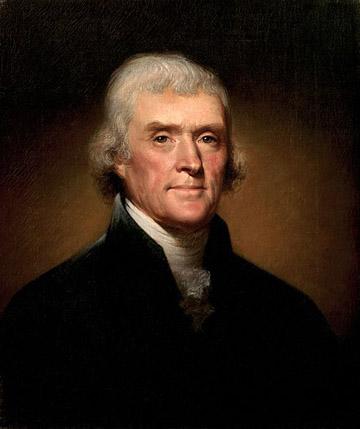
The wine business has taken off in Virginia, with over 200 licensed wineries in the state, and a growing enthusiasm for Virginia wines on the part of wine aficionados. We should remember to thank Thomas Jefferson, at least in part, for the growth of this enterprise. When Jefferson was our ambassador in France in the late 1700’s, he spent a lot of time touring Europe and getting to know viticulturists in Germany, France and Italy. He made carefully planned visits to all the growers and winemakers he could locate, and when he returned to America, he imported wine directly from them, always insisting on getting containers of bottled wine sent to him instead of barrels, because he believed he would get better quality wine that way. He had the best wine cellar in the region, and when he became president, an equally impressive collection in the new White House wine cellar.
When he retired to Monticello, Jefferson tried for years to grow grapes with vines he imported from Europe. For many reasons, the vines died and failed. If the vines survived the ocean crossing with any life in them, they died from all kinds of diseases, the most prevalent being fungus, a problem that Virginia grape growers still struggle with each season, even though today’s growers have effective sprays to combat disease. Also, Jefferson didn’t have the disease-resistant grafted vines now used by viticulturists worldwide.
Thomas Jefferson was so intrigued by fine wines that he continually exceeded his financial means in order to import the very best. When he died, some of his debt was connected to his love of fine wines as well as his valuable book collection. Everyone knows that Thomas Jefferson’s book connection became the basis for the Library of Congress, but he should also be given credit that his fascination with wine became a legacy that has been a powerful inspiration for the many growers and winemakers in the Commonwealth.
While Thomas Jefferson was still alive, a Richmond, Virginia scientist, Dr. D.N. Norton, experimented with planting and combining grape seeds from native vines during the 1820’s and eventually produced a very dark grape named “Norton” after him, and is still a great favorite with Virginia wine drinkers. One of its unique characteristics, besides having the darkest pigment of any wine, is that it is disease-resistant and does very well even in the humid Virginia growing season. You have to wonder if it is a tragedy that Thomas Jefferson never knew about Dr. Norton’s experiments with the Norton grape. Would Jefferson would have found this vine the answer to his prayers? He might have ignored it, since it was not one of the fine European vinifera grapes he learned to treasure during his European travels. We will never know the answer, but it is food for thought — or perhaps, wine for thought.
-

- Thomas Jefferson | Rembrandt Peale 1800